Branding and Packaging Aug 15, 2026
Custom Leather Branding, Hardware and Packaging: What to Decide Before Sampling
A detailed guide for brands choosing leather logo methods, custom hardware, labels, dust bags, retail packaging and export carton planning.
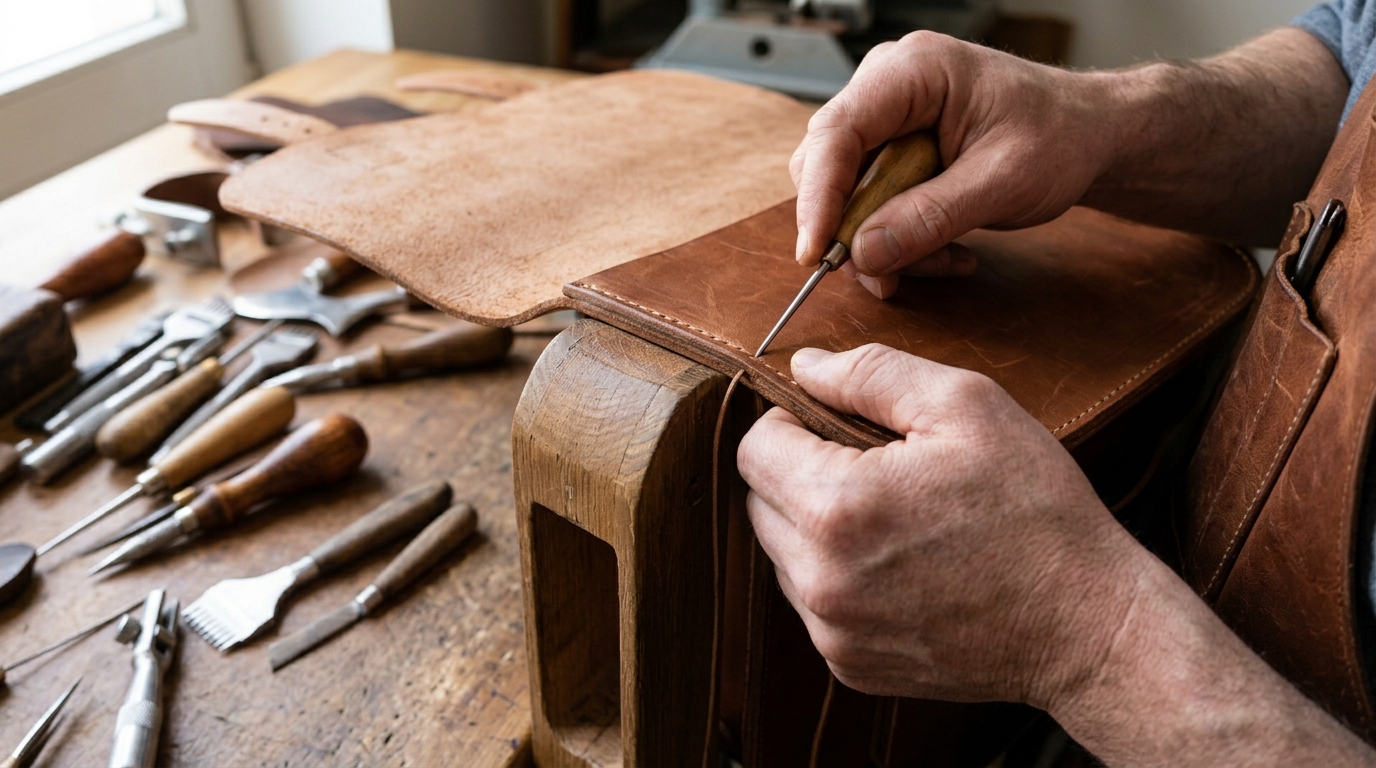
Branding and packaging turn a leather product into a brand experience. The leather, stitching and construction create the product, but logo placement, hardware finish, labels, dust bags, boxes and cartons shape how the buyer and end customer perceive it. For private label and OEM leather goods, these decisions should be made before sampling whenever possible. Waiting until bulk production to choose branding often causes delays, extra costs and inconsistent results.
Custom branding is technical because leather responds differently to pressure, heat, foil, metal hardware and stitching. A logo that looks sharp on paper may not work at a very small size on pebbled leather. A metal plate may need reinforcement behind the panel. A foil stamp may need testing to confirm adhesion. Packaging also affects logistics. A box may improve presentation but increase shipping volume. A dust bag may protect the product and raise perceived value, but it must be sized correctly.
Logo placement and scale
The first branding decision is where the logo should appear and how visible it should be. Premium leather brands often prefer subtle logo placement: a debossed mark on the front panel, a small woven label inside, a branded zipper puller or a foil stamp on packaging. Corporate gifting programs may need stronger visibility, such as a front logo, metal badge or branded box. The right choice depends on customer expectations and product category.
Scale matters. A logo that is too large can make a premium product feel promotional. A logo that is too small may disappear on textured leather. The factory should test logo size on the actual leather or a close substitute. Placement should also avoid stress areas, seams, curved edges and places where the logo may distort during use. On bags, logos often work best on flat panels or tags. On wallets, front panels and interiors are common. On belts, tip branding or inside branding may be better than a large outer mark.
Embossing, debossing and foil stamping
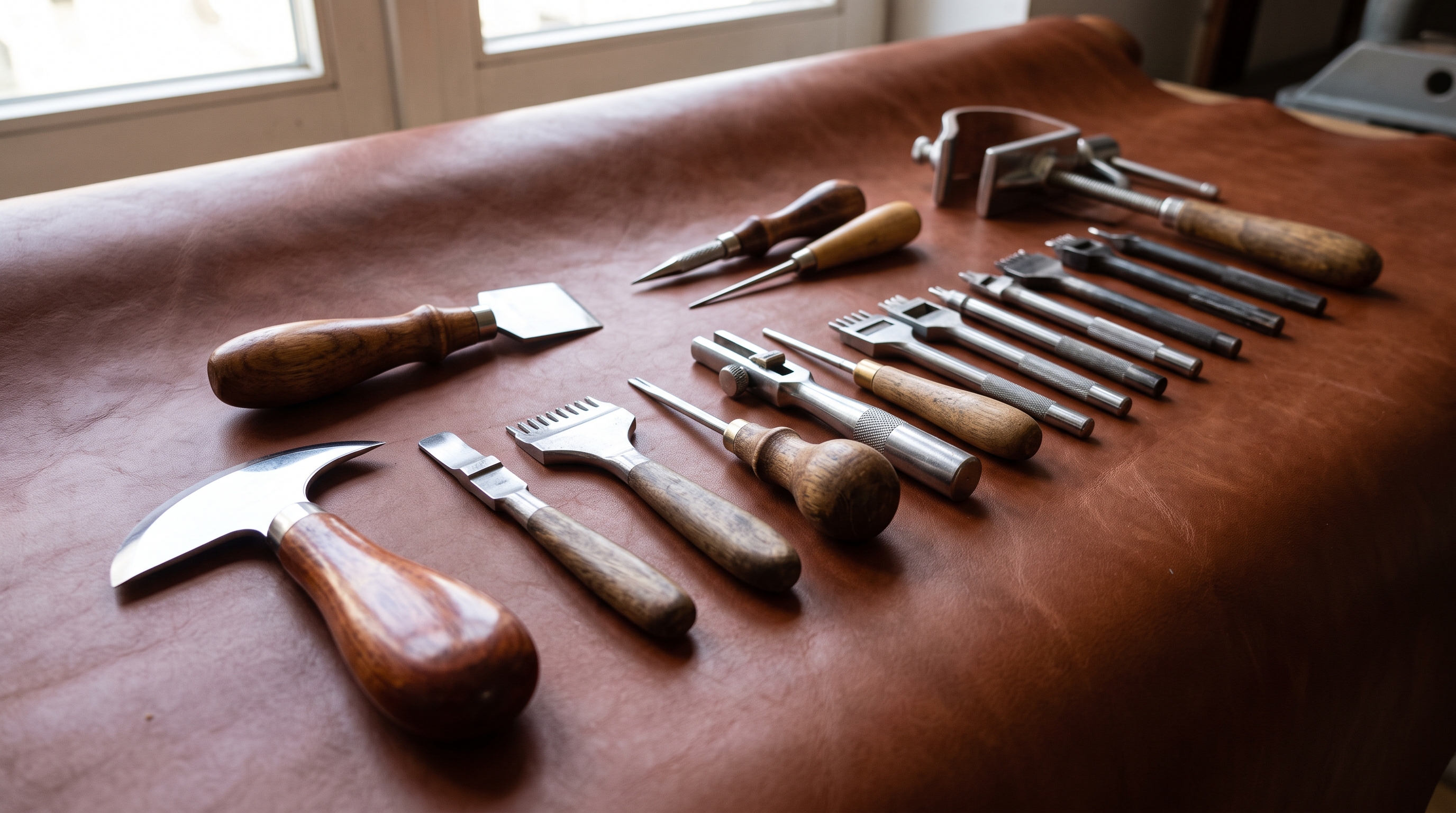
Embossing and debossing use pressure and sometimes heat to create a raised or recessed mark. Debossing is popular in leather goods because it is subtle, durable and premium. It works well on many smooth and semi-smooth leathers, but depth depends on leather type, thickness, finish and logo detail. Very soft leather may not hold a crisp mark. Very textured leather may reduce logo clarity.
Foil stamping adds metallic or colored foil to the logo. It can look excellent on wallets, packaging and premium accessories, but it needs testing. Foil adhesion depends on leather finish and stamping conditions. Buyers should approve a strike-off or sample logo before bulk production. For long-term programs, the logo die should be stored and labeled so repeat orders remain consistent.

Custom hardware decisions
Hardware can become a signature element. Buckles, zipper pullers, snaps, rings, hooks, plates and studs can be finished in brass, nickel, gunmetal, black, antique or custom colors. A brand may also request engraved zipper pullers or custom metal badges. These details can raise perceived value, but they often require more planning than standard components.
Custom hardware usually has supplier MOQ, mold cost and longer lead time. It also needs testing for plating consistency, strength, edge smoothness and corrosion resistance. If a buyer is launching a first collection with limited quantity, standard hardware with a custom logo stamp may be more practical. Once the brand has repeat volume, custom hardware can become a strong long-term investment.
Labels, linings and internal branding
Interior details help create a complete product. Woven labels, printed lining, leather labels and care labels can all support brand identity. A clean internal label reassures customers that the product is finished intentionally. Care labels are useful for products that need leather maintenance guidance. For some markets, product information and material composition may be important for retail operations.
Lining should be selected for function and brand tone. Cotton twill, microfiber, polyester, suede-like lining and leather lining all create different experiences. A laptop bag may need durable lining and pockets. A handbag may need a softer, cleaner interior. A wallet may need thin lining or no lining depending on construction. Logo labels should be placed where they do not interfere with function.
Dust bags, boxes and retail presentation
Packaging should match product value. Dust bags protect leather from scratches and improve unboxing. Boxes create premium presentation for wallets, belts, gifts and high-value bags, but they increase shipping volume and cost. Hang tags can explain leather type, care instructions and brand story. Tissue wrapping and belly bands can support boutique presentation.
For B2B buyers, packaging must also support warehouse handling. Products may need SKU labels, barcodes, size or color stickers, carton marks and packing lists. A beautiful box that does not survive shipping is not good packaging. The factory and buyer should test packing method for product shape, moisture protection and carton strength before bulk dispatch.
Sampling with branding included
Whenever possible, the approved sample should include real branding and near-final packaging. This prevents surprises during bulk production. If custom hardware is not ready, the sample can use temporary hardware, but the buyer should approve final hardware separately before production. If packaging is still being designed, the factory should at least confirm dimensions and packing method so carton planning is not delayed.
Buyers should also keep logo artwork in clean vector formats and confirm color references before sampling. Low-resolution logo files, unclear foil colors or late packaging changes can slow down an otherwise simple project. A professional factory can advise placement and technique, but the buyer should own final brand direction. When artwork, sizing and placement are approved early, the production team can order dies, labels, hardware and packaging without interrupting the sampling calendar.
Common branding mistakes to avoid
The most common mistake is choosing branding only from a screen mockup. Leather texture, heat, pressure and panel shape all affect the final result. Another mistake is approving a premium product with weak packaging, which lowers perceived value at delivery. Buyers should also avoid changing logo size or hardware finish after the final sample because those changes may require new tests. Treat branding as a production component, not decoration added at the end.
Branding decisions should be locked before bulk production: logo method, logo size, placement, hardware finish, labels, dust bags, boxes and carton requirements.
Wide Leather branding support
Wide Leather helps buyers plan custom leather branding, logo embossing, foil stamping, custom hardware, labels, dust bags, boxes and export packing. We support private label and OEM leather goods for brands that need professional presentation, not generic stock. Share your logo files, product references, packaging ideas and target quantity so our team can recommend a practical sampling path.