Leather Materials Aug 13, 2026
Full-Grain vs Top-Grain Leather: Technical Selection Guide for B2B Buyers
Compare full-grain and top-grain leather for bags, wallets, belts and jackets with technical guidance on durability, finish, cost, yield and brand positioning.
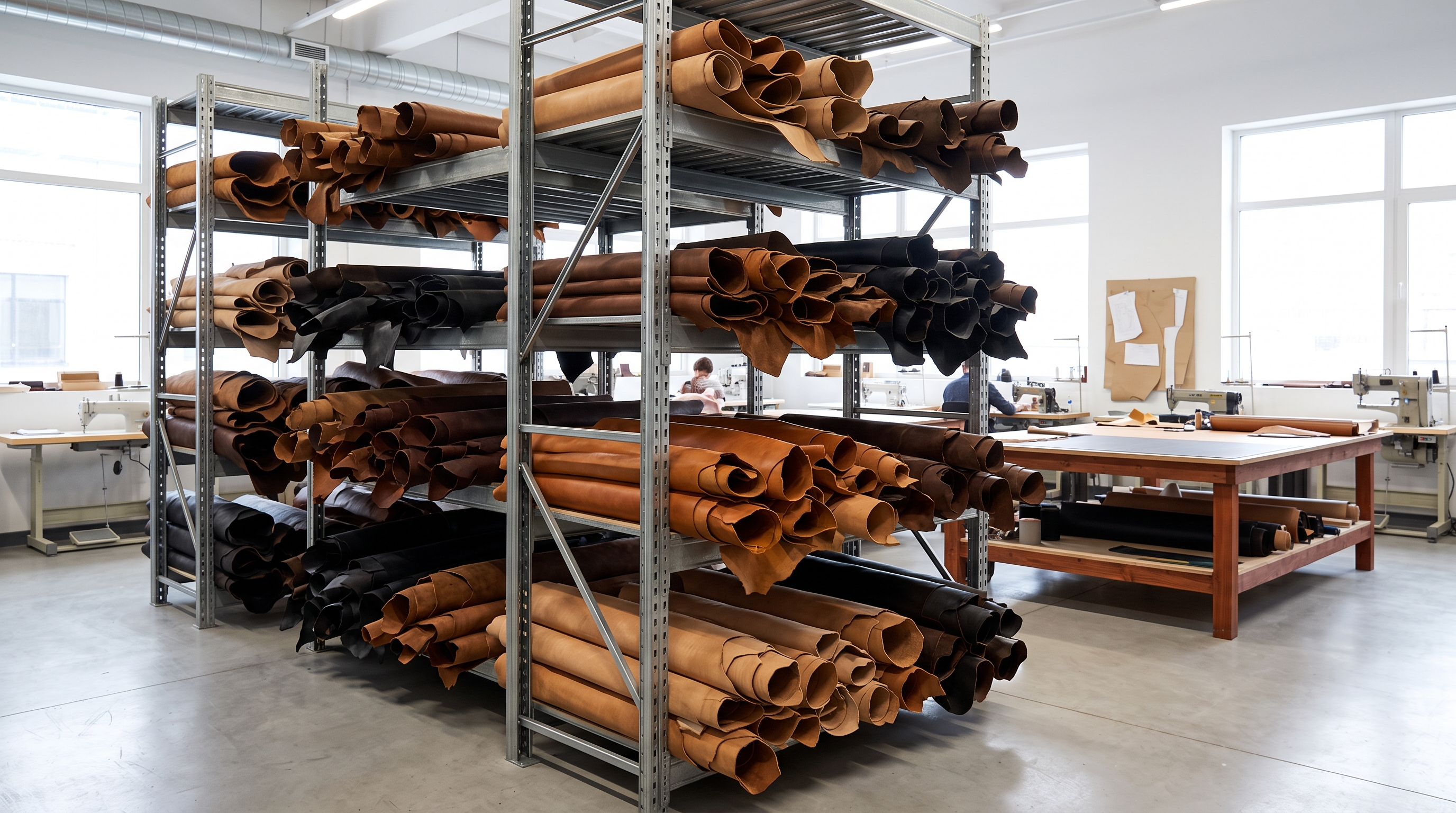
Leather selection is one of the most important decisions in any custom leather goods program. The material influences appearance, hand feel, durability, cutting yield, production cost, customer perception and long-term brand reputation. Two terms buyers often hear are full-grain leather and top-grain leather. Both can be used in premium products, but they are not the same. Understanding the difference helps brands choose the right material for bags, wallets, belts, jackets and accessories.
For B2B buyers, the question is not simply which leather is "better." The right choice depends on product use, retail price, target market, finish preference, consistency requirements and production volume. A rugged full-grain leather may be perfect for a heritage briefcase but too heavy or inconsistent for a sleek fashion bag. A refined top-grain leather may be ideal for a clean private label tote but less suitable for a product that needs a natural patina story. Technical selection should connect material character with product purpose.
What full-grain leather means
Full-grain leather keeps the outer grain surface of the hide. This surface contains the strongest fiber structure and often shows natural markings such as wrinkles, healed scars and grain variation. Because the surface is not heavily corrected, full-grain leather can develop a rich patina over time. Many premium brands value this because it gives the product character and tells a durability story.
The tradeoff is consistency and yield. Natural markings mean not every part of the hide is visually suitable for every panel. A bag front panel may need cleaner leather than a hidden gusset or internal reinforcement. Cutting full-grain leather requires skill because the team must balance beauty, strength and waste. For large bulk orders, the buyer should understand that full-grain leather may show controlled natural variation. That variation can be a selling point if the brand communicates it honestly.
What top-grain leather means
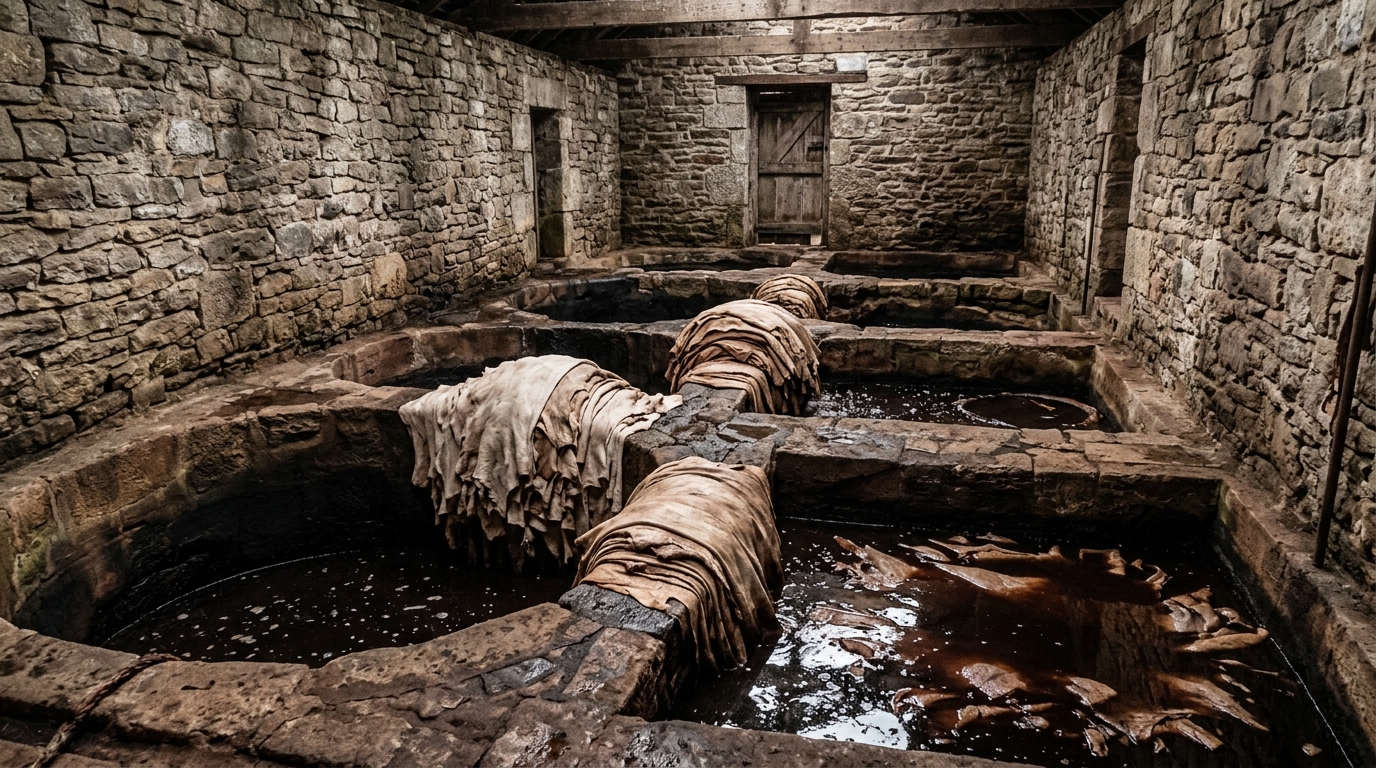
Top-grain leather is made from the upper layer of the hide, but the surface is corrected or finished to create a more uniform appearance. This can involve light sanding, coating, embossing or finishing depending on the tannery and leather type. Top-grain leather is widely used in premium bags, wallets, jackets and accessories because it can offer a refined look, good durability and more predictable production consistency.
Top-grain leather is not automatically low quality. Many excellent products use top-grain leather because it supports consistent color, smoother panels and easier repeat orders. For brands that need a clean retail look across hundreds or thousands of units, top-grain leather can be a practical choice. It also allows finishes such as pebbled texture, smooth matte surfaces, semi-aniline effects and protected coatings that suit different markets.
Durability and product use
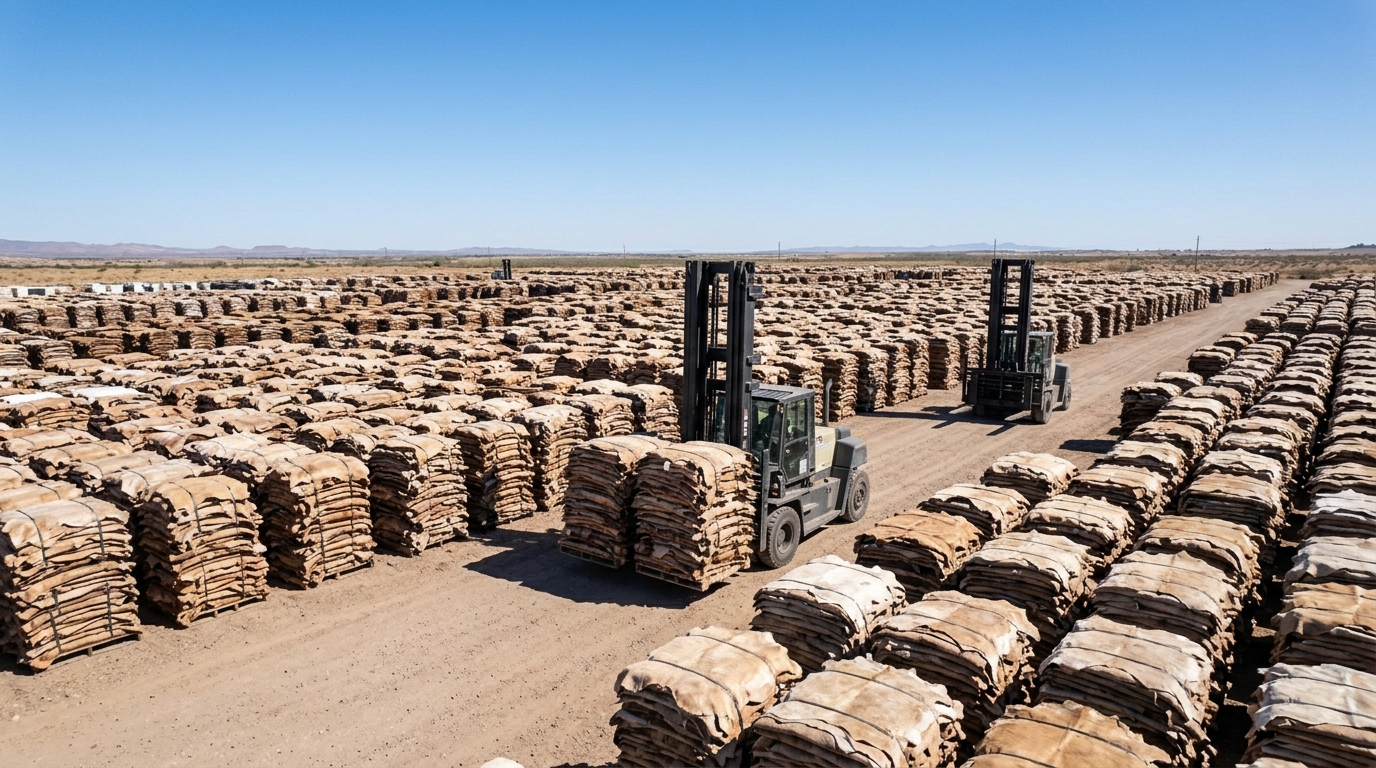
Durability depends on more than the grain name. Thickness, tannage, finish, fiber density, temper, construction, stitching and care all matter. Full-grain leather often has excellent strength because the grain surface remains intact. It can work well for belts, briefcases, duffle bags and long-life accessories. However, if the leather is too stiff for the design, the product may feel uncomfortable or bulky.
Top-grain leather can also be durable when selected correctly. A protected top-grain finish may resist stains and scratches better than an open full-grain surface, which can be useful for daily-use handbags or corporate gifts. A soft top-grain leather may be better for structured fashion bags where consistency and hand feel matter. Buyers should ask for thickness, finish type, temper and recommended use instead of relying only on marketing names.
Cost, yield and MOQ impact
Full-grain leather is often more expensive because cleaner hides are required and cutting yield can be lower. If the brand expects very clean panels, the manufacturer may need to reject or redirect more areas of the hide. This increases material cost. Top-grain leather can improve yield because the surface is more consistent, which may help keep pricing stable for larger programs.
MOQ can also be affected by leather choice. If the leather is a special tannery article, custom color or uncommon thickness, the tannery may require a minimum order. For a first private label run, available colors and standard finishes may be more practical. For a long-term brand program, custom leather development can make sense once repeat volume is proven.
Appearance, patina and brand story
Full-grain leather supports a natural, heritage and long-life brand story. It can show grain character and age beautifully when cared for. This is attractive for premium goods where customers expect individuality. The brand must be comfortable explaining natural marks and patina because some consumers may mistake variation for defects if the story is not clear.
Top-grain leather supports a more controlled, modern and polished look. It is suitable for brands that want color consistency, a smooth retail display and a predictable finish across repeat orders. Many buyers in fashion, corporate gifting and wholesale programs prefer this consistency because it reduces customer service questions and simplifies photography.
How to test leather before production
Before approving bulk production, buyers should review leather swatches and, when possible, a prototype made in the selected leather. A flat swatch does not always show how leather behaves in a real product. Folding, skiving, stitching, edge finishing and logo embossing can change the appearance. A leather that looks beautiful as a sheet may be too soft for a structured bag or too thick for a wallet fold.
Useful checks include color under different light, surface scratch response, bending, odor, thickness, backing quality, embossing depth, edge paint compatibility and cleaning behavior. For belts, pull strength and thickness are important. For jackets, softness, weight and drape matter. For wallets, thin splitting and clean edge finishing are critical. Matching the test to the product category prevents disappointment later.
Making the right choice
Choose full-grain leather when the brand wants natural character, patina and a premium durability story. Choose top-grain leather when the brand needs a refined finish, repeat consistency and controlled appearance. Both can be excellent choices when sourced responsibly and matched to the design. The wrong choice is the one made without considering construction, cost, market and customer expectations.
Buyer tip: ask your manufacturer to recommend leather by product function, not only by name. A good material brief includes leather type, thickness, temper, finish, color, logo method and target price.
Wide Leather material support
Wide Leather helps buyers compare leather options for custom bags, wallets, belts, jackets and accessories. We can guide full-grain, top-grain, suede, nubuck and other material choices based on product function, brand position and production volume. If you are unsure which leather suits your project, send reference images, target quantity and desired finish so the team can suggest a practical sampling route.