
Quality Control Aug 14, 2026
Leather Quality Control Checklist for Bags, Wallets, Belts and Jackets
A technical leather goods QC checklist covering materials, cutting, stitching, hardware, branding, finishing, measurements and export packing.
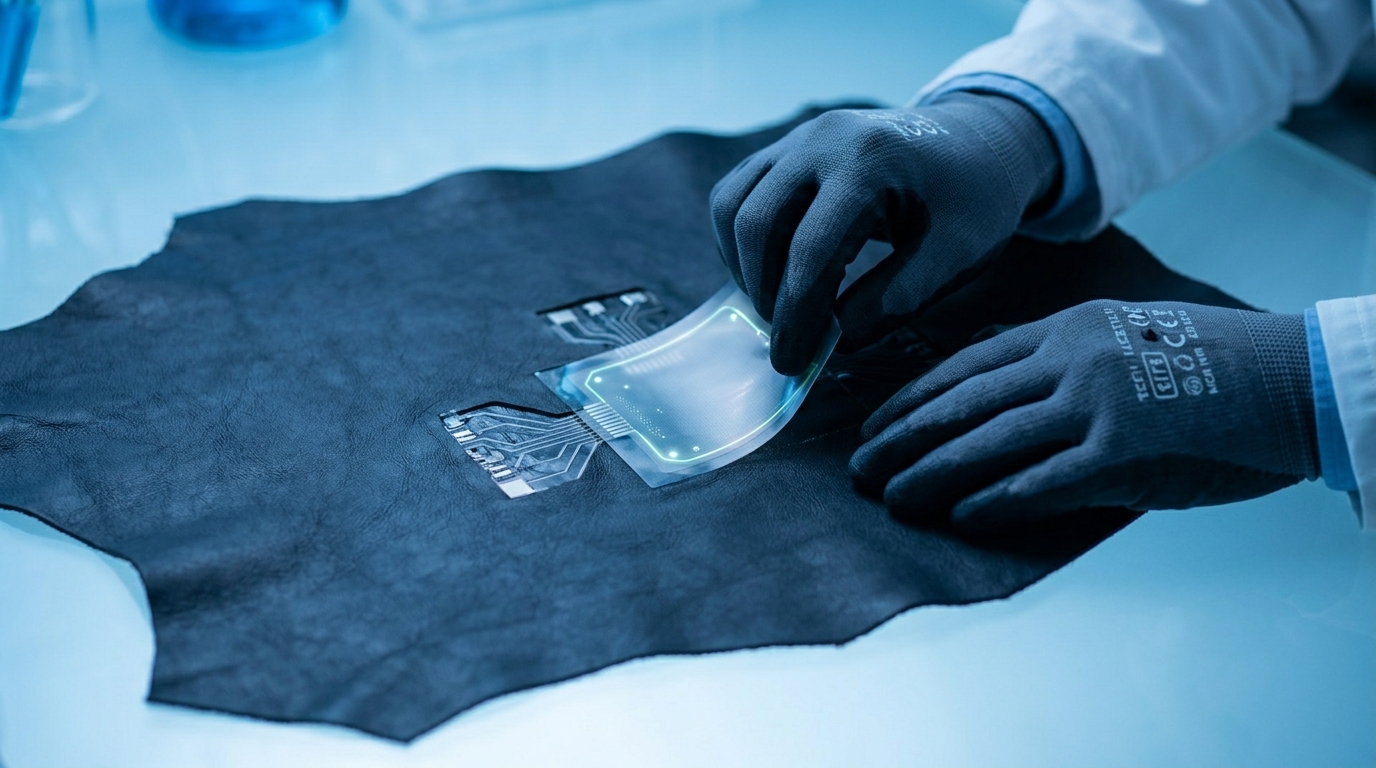
Leather quality control is the system that protects a buyer's brand before products reach customers. In custom leather manufacturing, QC is not a single inspection at the end of production. It is a series of checks that begin with material intake and continue through cutting, assembly, stitching, finishing, branding, cleaning and export packing. When these checks are clear, brands reduce defects, improve repeat consistency and avoid expensive shipment problems.
Different products require different inspection points. A handbag must be checked for shape, stitch alignment, handle strength and lining finish. A wallet must be checked for card slot accuracy, folded thickness and edge paint. A belt must be checked for leather thickness, hole spacing, buckle setting and pull strength. A jacket must be checked for size, panel matching, lining, zipper performance and movement. The checklist below gives B2B buyers a practical way to review leather goods production with a factory.
1. Material inspection
QC starts when leather and components arrive. Leather should be checked for color, thickness, grain, finish, odor, stretch, scars and usable cutting area. Natural leather will always have some variation, but the factory and buyer should agree what is acceptable for visible panels. A front bag panel has a higher visual requirement than an internal piece. Belts may need long clean strips with consistent thickness. Wallets may need thinner split leather that still holds structure.
Components should be checked too. Zippers, buckles, magnetic snaps, rivets, rings, chains, labels, lining and thread must match approved samples. A small change in hardware color can make a product look inconsistent across a collection. If components are not checked before production, defects may only appear after assembly, when corrections are slower and more expensive.
2. Cutting and pattern control
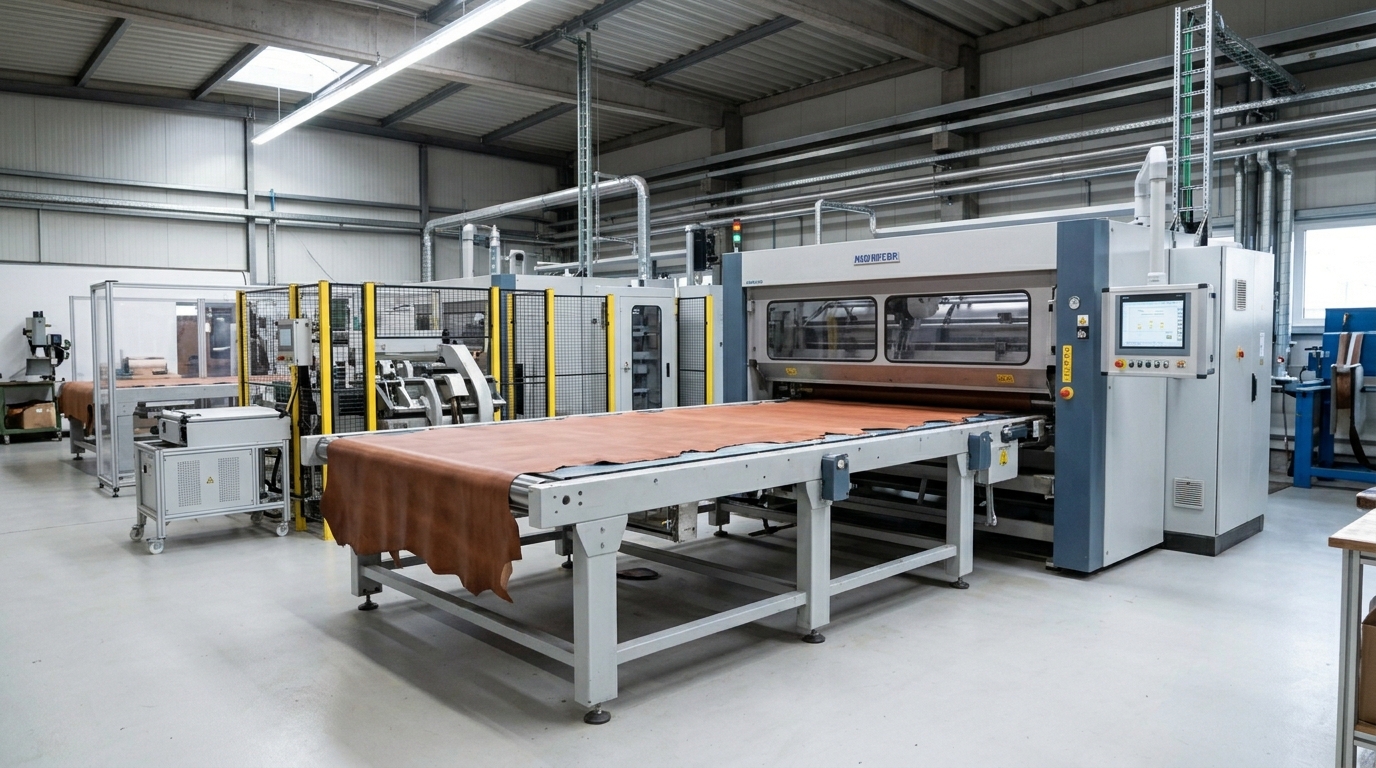
Cutting determines both appearance and structural quality. The cutting team should follow approved patterns, grain direction and panel placement rules. Leather areas with deep scars, weak spots or uneven finish should be avoided for visible or stressed panels. Pattern pieces should be counted and organized to prevent missing components during assembly.
Buyers should understand cutting tolerance. Leather goods are handmade or semi-handmade products, so a small tolerance may be acceptable, but the tolerance must be controlled. If a wallet card slot is too tight, the product fails in use. If a bag gusset is cut slightly wrong, the shape may twist. If belt holes are misaligned, the product looks unprofessional. Cutting QC reduces these risks before stitching begins.

3. Stitching inspection
Stitching is one of the most visible signs of quality. Inspect stitch length, thread color, tension, straightness, backstitch security and seam alignment. Loose stitches, skipped stitches, broken thread and uneven tension should be corrected immediately. On leather products, needle holes remain visible, so repeated repairs can damage panels. This is why operators need clear stitching standards before production starts.
Stress areas need extra attention. Bag handles, strap anchors, belt loops, zipper ends, wallet folds and jacket armholes all experience repeated movement. Reinforcement should be placed where needed and stitching should be strong enough for the product's intended use. A good-looking product that fails at a stress point can damage the brand more than a visible cosmetic defect.
4. Hardware and function checks
Hardware must be secure, aligned and functional. Zippers should open smoothly. Snaps should close firmly without tearing the leather. Buckles should sit straight. Rivets should be set without sharp edges. Metal plates and logo hardware should be level. For bags, straps should be balanced and detachable hardware should move correctly. For jackets, zippers, buttons and adjusters should be tested repeatedly.
Function checks should reflect real customer use. Fill a laptop bag with weight and check handles. Put cards in wallet slots. Thread a belt through the buckle. Open and close a handbag several times. Wear a jacket sample and check movement. These checks reveal issues that flat-table inspection may miss.
5. Branding and finishing checks
Branding must match the approved sample. Embossing, debossing, foil stamping, woven labels, metal badges and printed logos should be checked for position, depth, color and clarity. A logo that is too deep can distort leather; a logo that is too light can look cheap. Foil should not flake. Labels should be stitched straight. Hardware branding should be aligned.
Finishing includes edge paint, burnishing, cleaning, trimming, thread cutting and final shaping. Edge paint should be smooth and cured. Corners should not be rough. Glue marks should be removed. Loose threads should be trimmed. Products should be cleaned before packing. Final shape matters especially for structured bags, wallets and boxed gifts because the customer sees presentation before function.
6. Measurement and packaging inspection
Measurements should be checked against the approved sample or technical sheet. Important measurements include overall width, height, depth, strap length, handle drop, belt length, hole spacing, wallet dimensions and sleeve length for jackets. The buyer and factory should agree tolerance before bulk production. Strict tolerance may increase inspection time, but it is necessary for products where fit or function matters.
Packaging protects the product and communicates brand value. QC should confirm dust bags, tissue, hang tags, poly bags, boxes, carton labels and carton strength. Export cartons should be packed so products are not crushed. Moisture control may be needed depending on route and storage conditions. For UK, USA and Europe shipments, clear carton information helps buyers receive and distribute goods efficiently.
Pre-shipment inspection
A pre-shipment inspection compares production goods with approved standards before dispatch. It may include random sampling or 100% inspection depending on project risk. New designs, premium goods and tight launch deadlines often need stronger inspection. Repeat orders with stable history may use a lighter sampling plan. The important point is that the inspection method should be agreed before goods are packed.
QC is most effective when it is built into production. Do not wait until cartons are ready to define quality standards.
Wide Leather QC approach
Wide Leather supports leather quality control through material checks, sample review, production checkpoints and final packing review. Our team helps buyers define practical standards for bags, wallets, belts, jackets and custom accessories. If you are planning a private label or OEM leather goods program, share your reference sample, target market and quality expectations so we can align sampling and production checks from the start.